
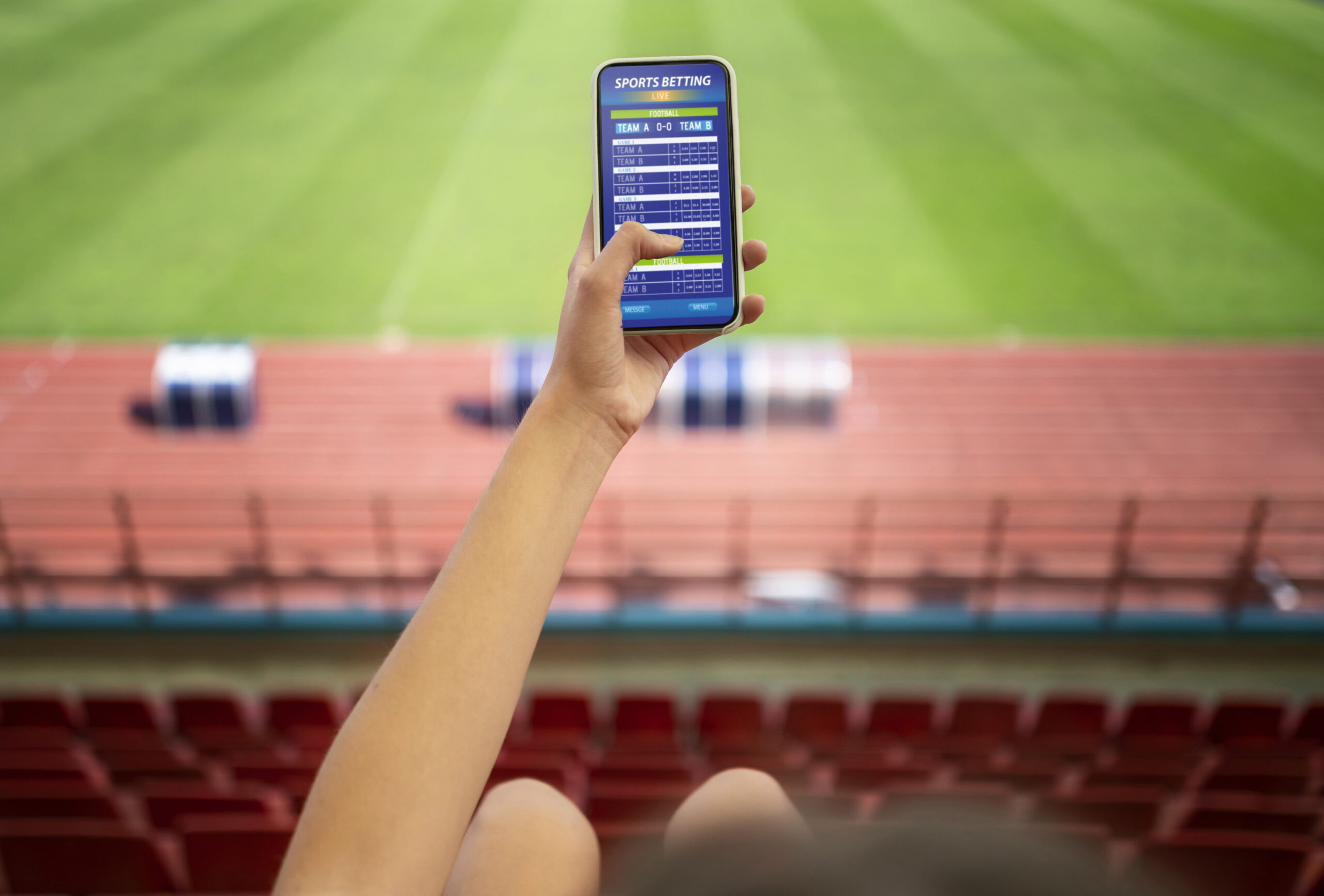
Android phones for Telugu speakers carry a lot of roles at once – reading news, checking word meanings, saving poetry lines, streaming songs, and staying in touch with family groups spread across cities. On that same screen, live scores and betting apps often appear as a lighter, optional layer. The challenge is to let this extra layer remain controlled and calm, so the phone still feels like a language and learning hub first, with sports activity sitting quietly in the background.
Where Betting Lives Among Telugu Apps On Android
A typical Telugu-heavy home screen might hold a meaning app, a browser ready with dictionary tabs, a reader for regional news, a music service, and a few social platforms where friends share jokes in native script. Throughout the day, the user jumps between these tools to check the sense of a phrase, read analyses of current events, or revisit a favorite poem. Sports content slips into the same rhythm when match alerts arrive or when someone shares a scorecard in a group chat. Betting joins that picture as one more choice among many rather than the main reason to unlock the device, which is why its behavior has to match the calm tone of those other tools.
For many people, the parimatch android app becomes exactly this kind of optional layer, sitting next to reading and meaning apps instead of shouting over them. A user might open it for a short pre-match check or a quick glance at live odds, then return to language content once that mini session ends. When the app keeps navigation simple, respects notification settings, and avoids filling the screen with constant prompts, it behaves like a polite guest on a Telugu-focused phone. The device remains a place for words, meanings, and family talk first, with sport and betting appearing as a small, contained chapter rather than a dominant theme.
Designing A Calm Routine Around Matches And Reading
Daily habits already have a structure for most Telugu users who care about language and sport. Mornings might be reserved for news and vocabulary, afternoons for work or study, and evenings for a mix of streaming and live scores. A betting app fits that pattern best when it accepts clear time windows instead of reaching for attention throughout the day. One simple approach is to link betting activity to a few defined match checkpoints, such as the start of play, a mid-innings break, or a final review before stumps, and leave the rest of the timeline for reading or chatting without extra decisions about stakes.
This approach works especially well when matched with how language tools are already used. Someone who sets a regular slot to read a Telugu editorial or explore new idioms can treat betting actions in the same way – scheduled, short, and specific. The app opens for that task, the decisions are made based on a pre-set budget, and then the screen returns to articles, glossaries, or song lyrics. Over weeks, the brain learns that betting belongs to a handful of fixed windows rather than every spare minute, which keeps both the language habit and the sports interest in balance instead of letting quick odds checks erode deep reading time.
Managing Data, Storage, And Battery With Extra Apps
Many Telugu-heavy Android users rely on mid-range devices that already carry several reading, keyboard, and media apps, so any betting client has to respect limits on storage, data, and battery. Large updates that arrive without warning or streams that autoplay on mobile data can quickly clash with the needs of language tools that also depend on a stable connection. A more respectful setup lets the user control update timing, keeps graphics efficient, and offers clear toggles for reducing animation or background activity when the phone needs to preserve resources for video calls or long reading sessions.
This resource-aware view extends to how the app handles offline or weak coverage periods. When connections dip on regional networks, a good client keeps previously loaded balances, basic markets, and bet histories visible rather than blanking out the interface. Clear messages explain when live odds are frozen or when a specific action must wait for a stronger signal, which prevents confusion and protects the other apps that are open. With this discipline in place, a Telugu reader can continue exploring articles or checking meanings while knowing that the betting layer will either work cleanly or wait without flooding the device with errors that drain both time and battery.
Setting Boundaries For Time, Money, And Attention
Any betting app shares the same three pressure points on a busy phone – time, money, and attention. Telugu speakers who already balance study, work, and family chats cannot afford to let a single app expand into every corner of the day. The healthiest approach treats betting as one strand of the broader entertainment budget and sets explicit caps long before the first stake is placed. Those caps cover how long the app will stay open during a match, how much money can move in a week, and how many separate decisions feel acceptable in one sitting without turning the session into a mental drain that lingers after the final whistle.
A Phone That Still Feels Like A Telugu Home Screen
The best sign that an Android betting app fits comfortably beside Telugu tools appears over time. If weeks pass and the user still thinks of the device mainly as a place to read in their language, look up meanings, share verses, and follow news, then the balance is working. Sports and occasional betting sessions can add color to evenings without overwhelming the main purpose of the phone. That outcome depends on quiet engineering, honest interface choices, and personal rules that keep time, money, and attention in check. When those pieces align, the home screen continues to feel like a Telugu home first, where a betting icon is just one small, well-managed tile rather than the center of the entire digital day.